Steel Cast Manufacturer India
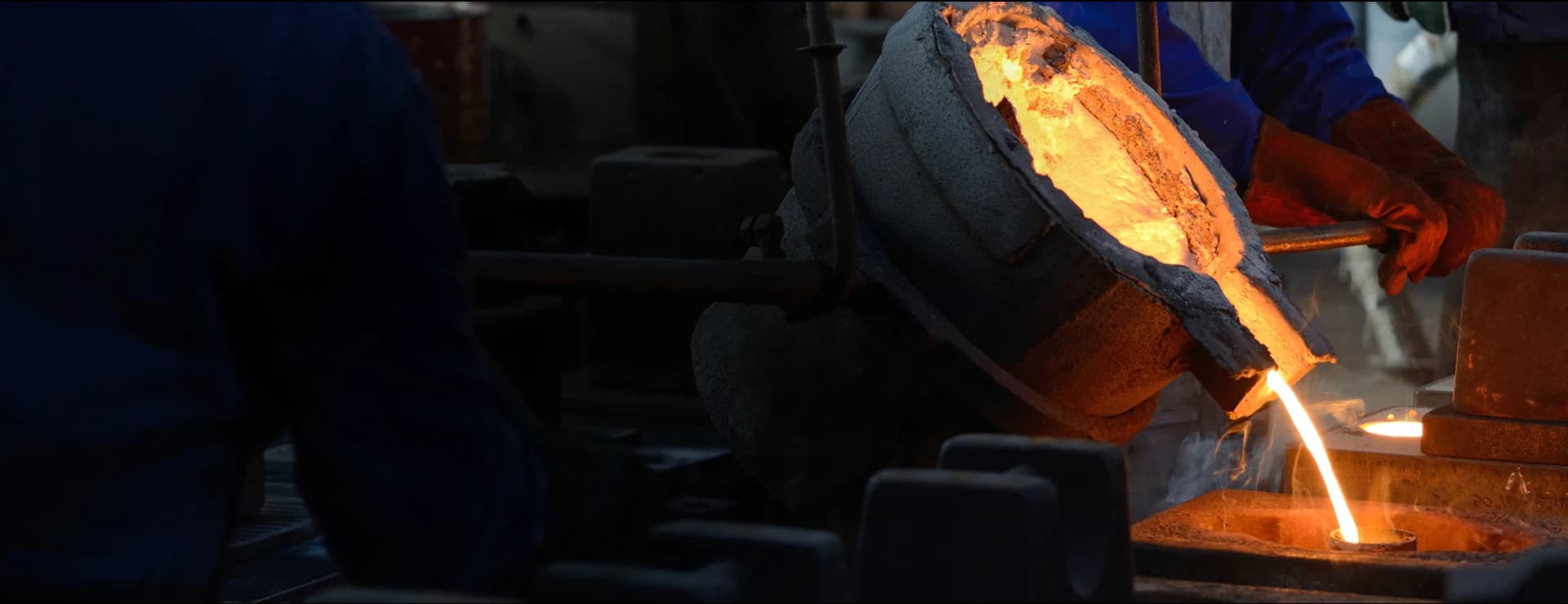
Neo Cast Alloy is a leading steel cast manufacturer in India located in Gujarat. We supply industrial steel casting components across India and export to multiple countries for valve, pump, cement and engineering industries.
Industries We Serve With Steel Casting
Types of Steel Casting We Manufacture
Our Manufacturing Details
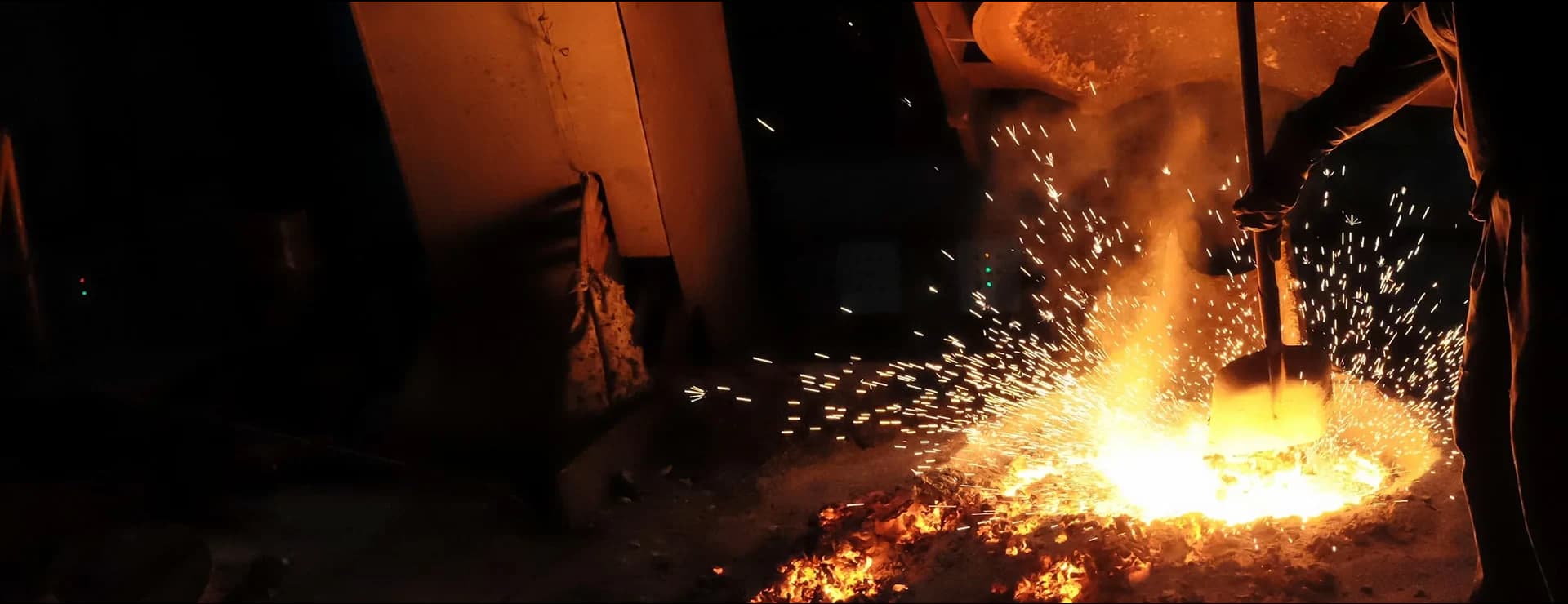
We are a steel casting manufacturer in India serving domestic and export industries with world-class infrastructure.
Our Steel Casting Manufacturing Process
Steel Casting Manufacturer in Gujarat Supplying Across India
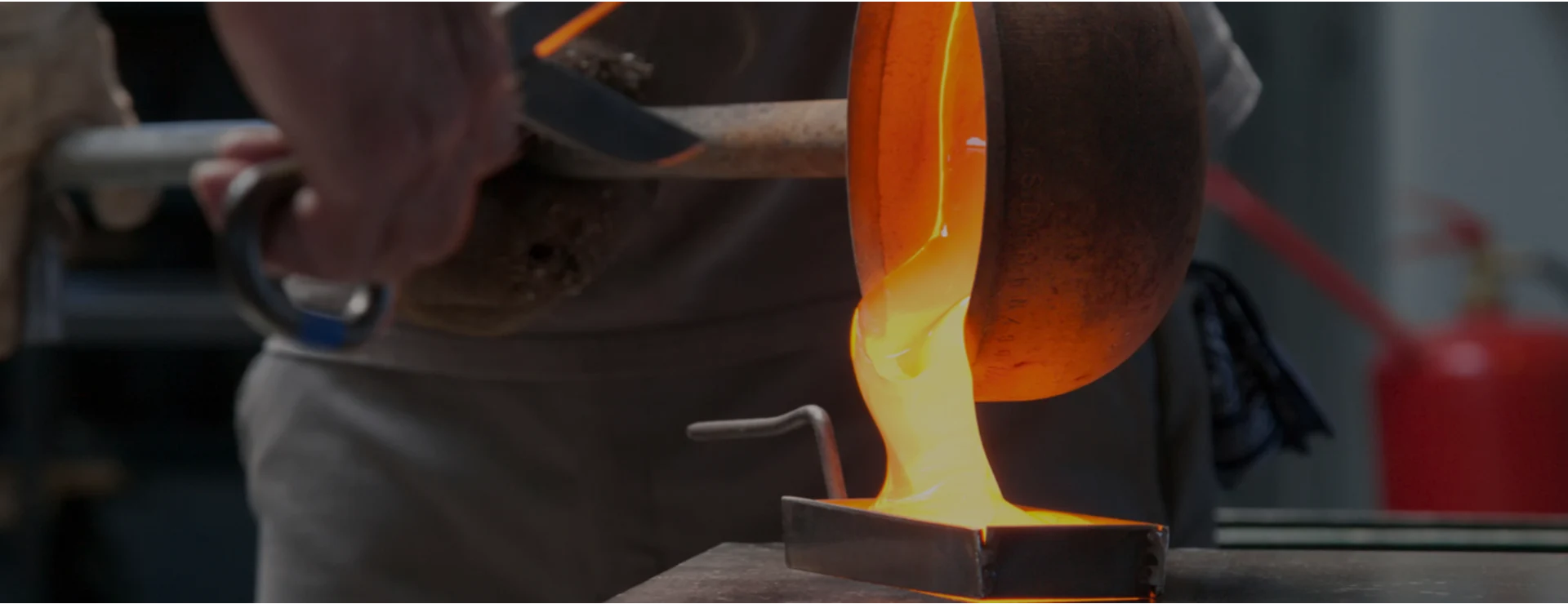
We supply steel casting components to Ahmedabad, Mumbai, Pune, Chennai, Coimbatore, Delhi, Hyderabad and industrial zones across India.
As a trusted steel casting manufacturer in India, Neo Cast Alloy serves both domestic and international markets with precision-engineered components.
Our Gujarat-based steel casting foundry delivers export-quality components to engineering hubs across the nation and beyond.
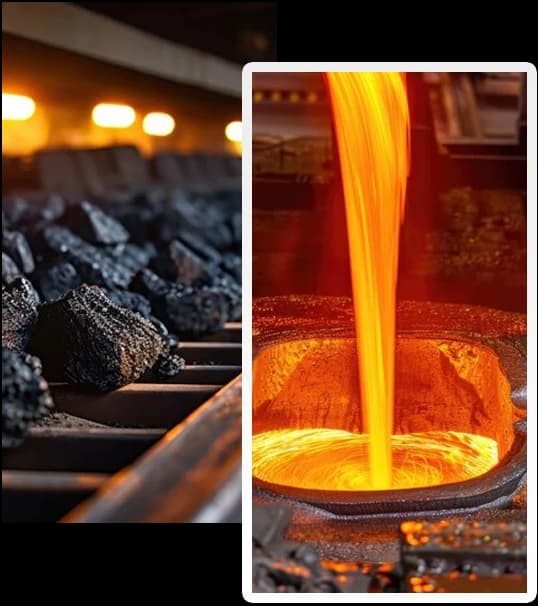
Difference Between Steel Casting and Iron Casting
Steel casting and iron casting are both widely used in industrial manufacturing, but they serve different purposes based on mechanical requirements. Steel castings offer higher tensile strength, better impact resistance, and superior weldability compared to iron castings.
Iron castings — including grey iron and ductile iron — are cost-effective for applications requiring good compressive strength and vibration damping, such as engine blocks and machine bases. However, for critical high-pressure, high-temperature applications like valve bodies, pump casings, and pressure vessels, steel casting is the preferred choice.
Steel castings can be heat-treated to achieve specific hardness and toughness levels, whereas iron castings have limited heat treatment options. For industries like oil & gas, power generation and mining, steel casting provides the reliability and longevity that iron simply cannot match.
At Neo Cast Alloy, we manufacture both carbon steel and alloy steel castings — allowing our clients to select the right material grade for their exact application needs.
Frequently Asked Questions
Q.What is steel casting used for?
Steel casting is used to manufacture critical components for high-stress applications in industries like valve manufacturing, pump manufacturing, cement plants, mining, power generation, and heavy engineering.
Q.Who are steel casting manufacturers in India?
Neo Cast Alloy is one of the leading steel casting manufacturers in India, operating a state-of-the-art foundry in Gujarat and supplying precision components nationwide and globally.
Q.What is alloy steel casting?
Alloy steel casting involves adding elements like chromium, nickel, or molybdenum to carbon steel during the melting process. This creates castings with enhanced properties such as higher strength, wear resistance, and heat resistance for demanding industrial use.
Q.Which industries require steel casting components?
Industries that heavily require steel casting components include valve and pump manufacturing, cement, mining machinery, power plants, chemical processing, and general heavy engineering sectors.
Last updated: February 2026